

- No products in the cart.
Theoretical and practical training
Master's Programme Curriculum
Since 2002 we have been training biomedical professionals in vascular and non-vascular IR techniques. One intensive year of training, combining online theory with three weeks of hands-on practice, Dry-Labs and lectures delivered by leading national and international experts.
Methodology
This is a blended-learning Master's programme comprising a total of 60 ECTS credits.
The theoretical content (course materials, clinical cases, webinar recordings, etc.) is made available to students through the University of Zaragoza's official online learning platform, while the practical training is delivered in person over six days at the University of Zaragoza (Spain).
Certification and Degree Award
Students who successfully complete all the online assessments, submit and successfully complete their Master's Final Project (TFM), and attend the in-person practical training sessions will be awarded the official University of Zaragoza qualification “Master in Vascular and Non-Vascular Interventional Radiology”.
The Technical Secretariat can also assist students with obtaining the Hague Apostille for their diploma, providing them with a duly authenticated document for official use in countries that are parties to the Hague Apostille Convention. This service facilitates the international authentication of the University of Zaragoza diploma and its presentation to the relevant authorities in participating countries.
Who is this Master's Degree for?
This Master's programme is designed not only for Interventional Radiologists who wish to begin or further develop their training in this field, but also for experienced specialists with recognised expertise who wish to broaden and update their knowledge through face-to-face, hands-on sessions alongside our faculty.
Admission requirements
To apply for admission to the Master's programme, you will need to provide the following four documents:
- A copy of your passport (PDF).
- A copy of your CV (PDF).
- A copy of your University Medicine Degree certificate (PDF).
- A copy of your official academic transcript, showing the subjects completed and the grades obtained during your Medicine Degree.
Our teaching staff includes internationally
renowned experts in the field
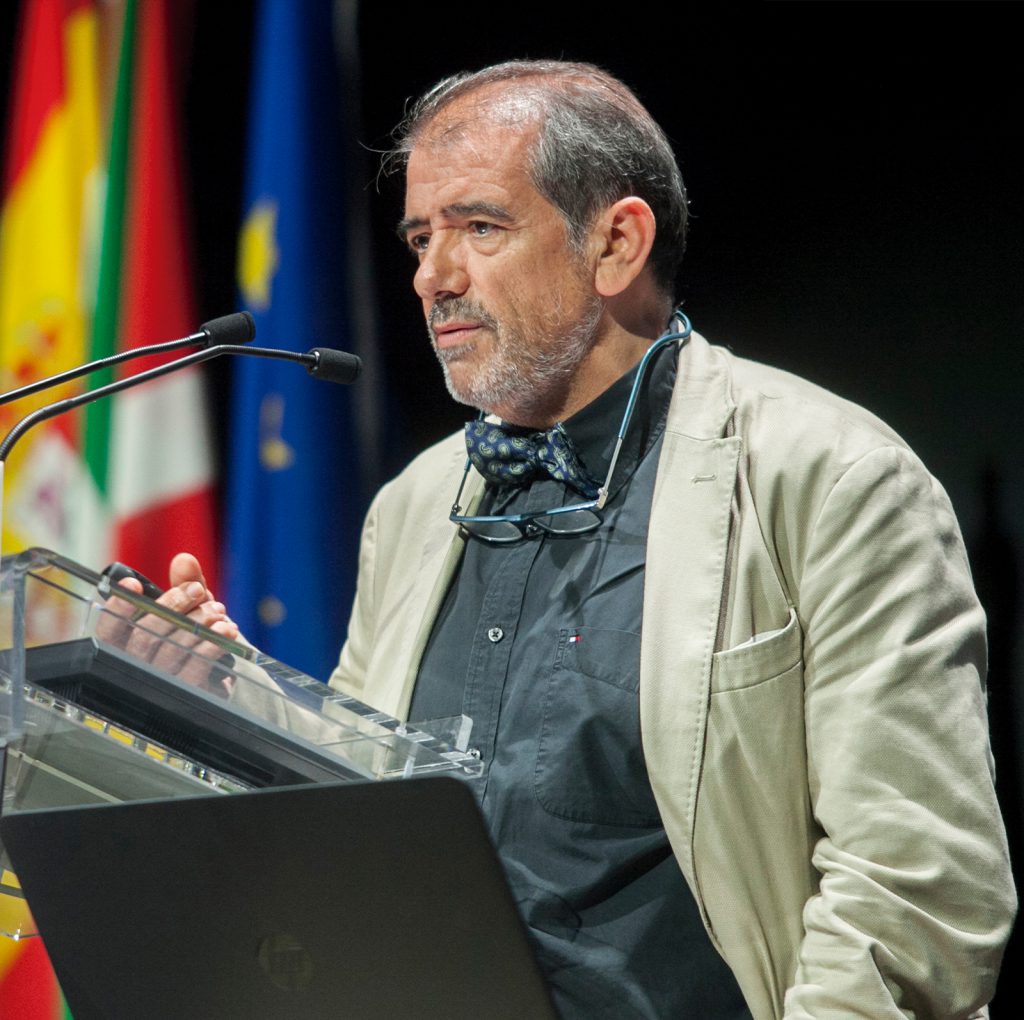 Dr. Miguel Ángel de GregorioZaragoza, Spain
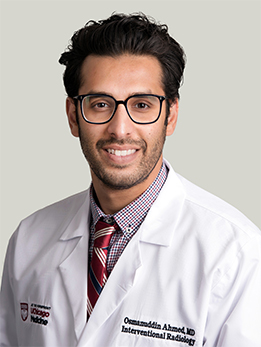 Dr. Osman AhmedChicago, USA
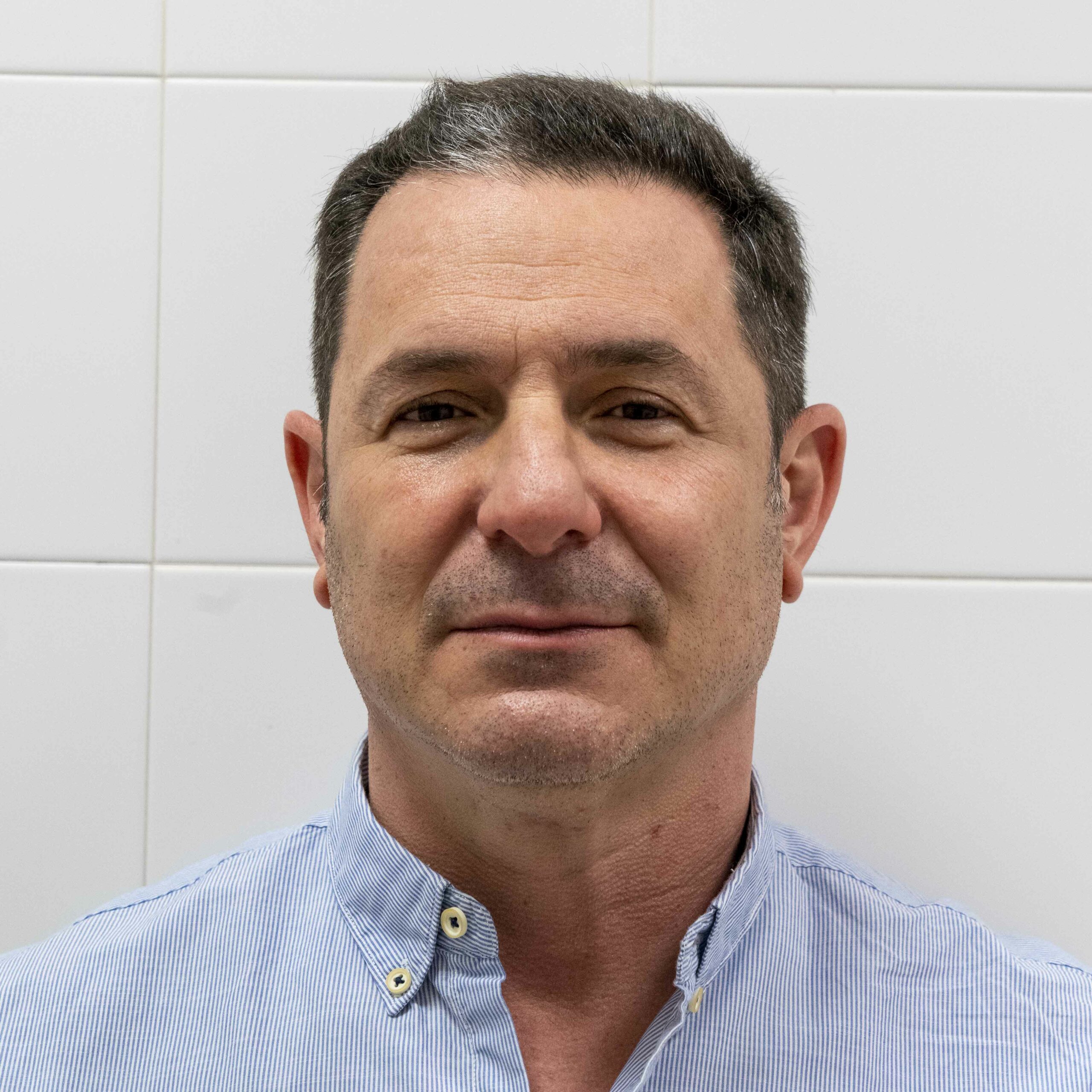 Dr. Sergio SierreBuenos Aires, Argentina
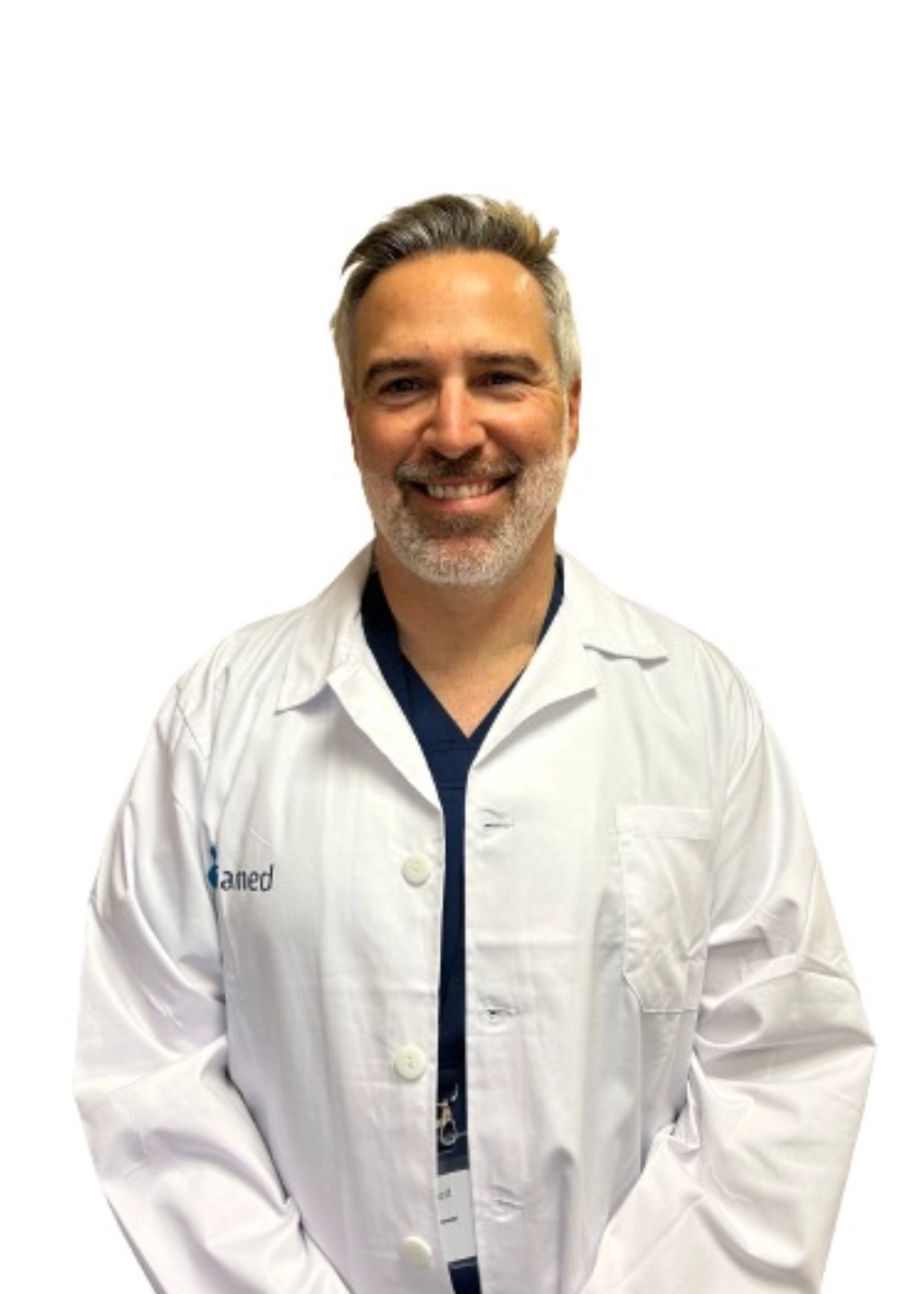 Dr. José María AbadalMadrid, Spain
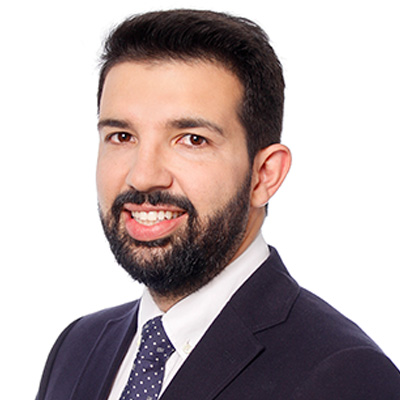 Dr. José Andrés GuirolaZaragoza, Spain
Reserve your place
Reserve your place by sending the documents to gestion@gitmi.es
Our Technical Secretariat will then contact you and guide you through the necessary steps to complete your official enrolment in the Master's programme.
Documents to send
- A copy of your passport (PDF).
- A copy of your CV (PDF).
- A copy of your University Medicine Degree certificate (PDF).
- A copy of your official academic transcript, showing the subjects completed and the grades obtained during your Medicine Degree.
Send your documents
Tuition fee
€10,500
The tuition fee for the Master's programme is €10,500, which includes access to all theoretical course materials and online educational resources, as well as participation in the six days of intensive, in-person practical training at the University of Zaragoza.
What do our Master's graduates say?
Many students have completed our Master's Degree in Vascular and Non-Vascular Interventional Radiology, and their opinion is very important to us.
A great opportunity for training, learning and keeping up to date for any interventional radiologist. The syllabus is very comprehensive and specialised, with a large number of experts in the field available for consultation and a practical approach that is truly commendable. What's more, it encourages interaction between lecturers and students from the very first day, creating a warm, friendly, family-like atmosphere that enhances learning. An experience I would recommend without hesitation.
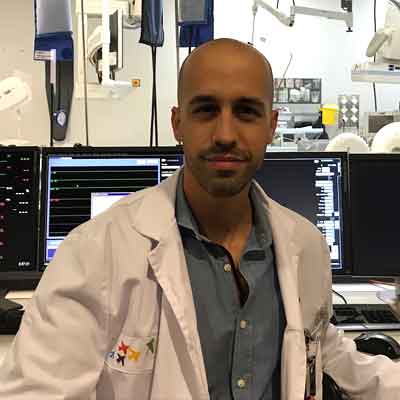
Abel GregorioStudent
The Zaragoza Master's was a truly enriching experience. Academically, I had the privilege of being taught by true masters of vascular and interventional radiology; practically, we were able to try out a wide range of cutting-edge technologies; and last but not least, it was a great social experience, as it lets you meet and interact in a very relaxed way with both lecturers and fellow students from all over the world.
Miguel NaranjoStudent